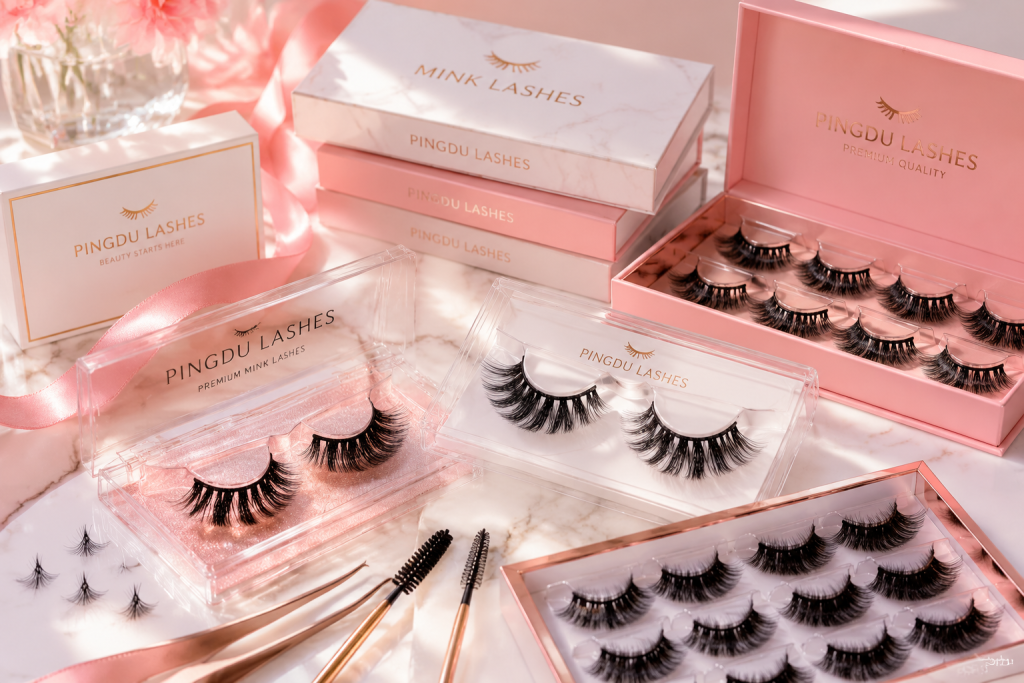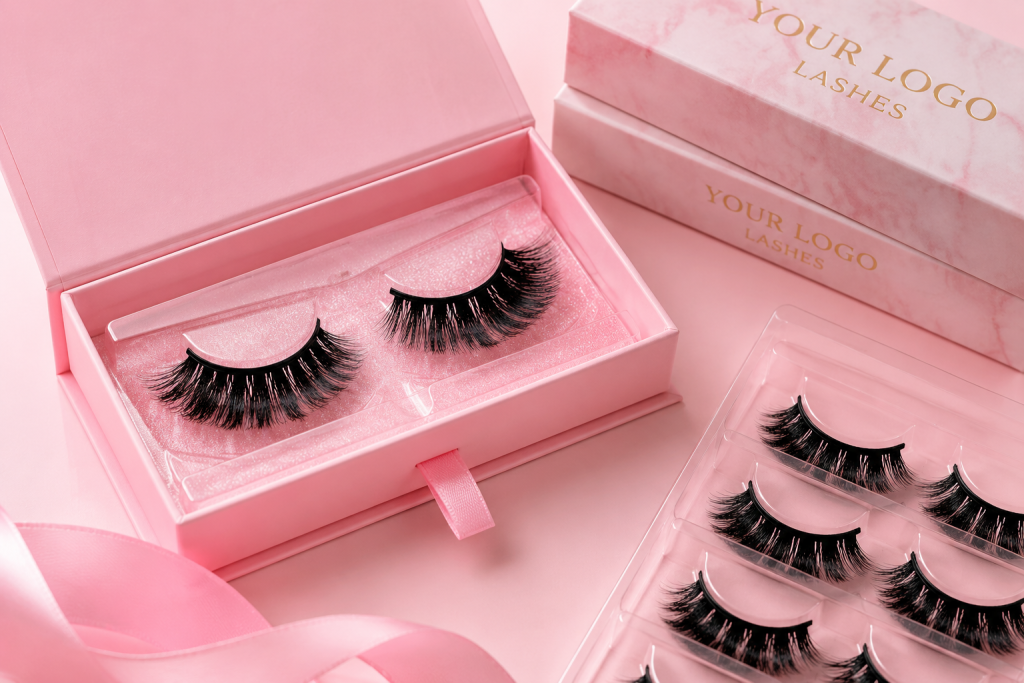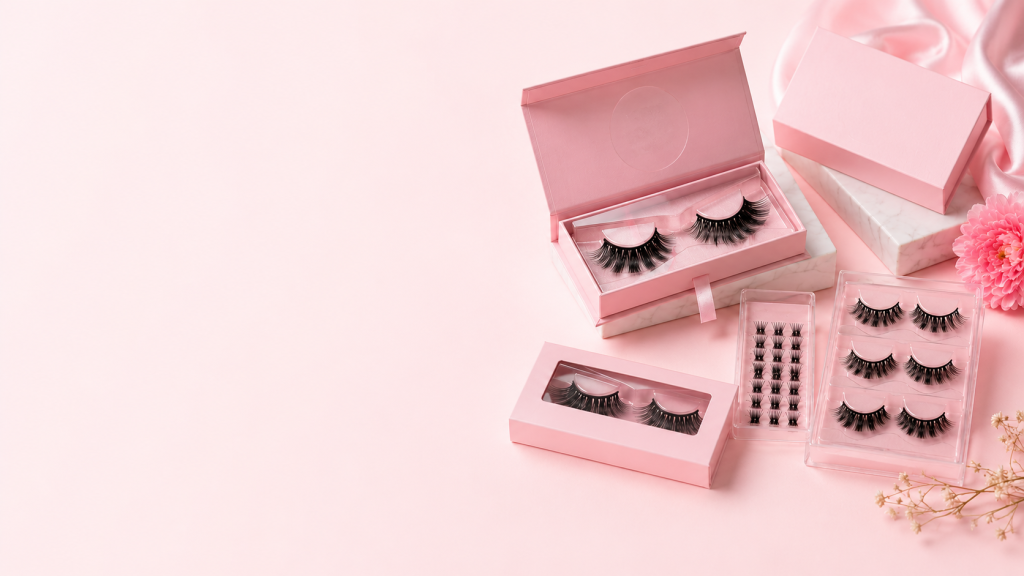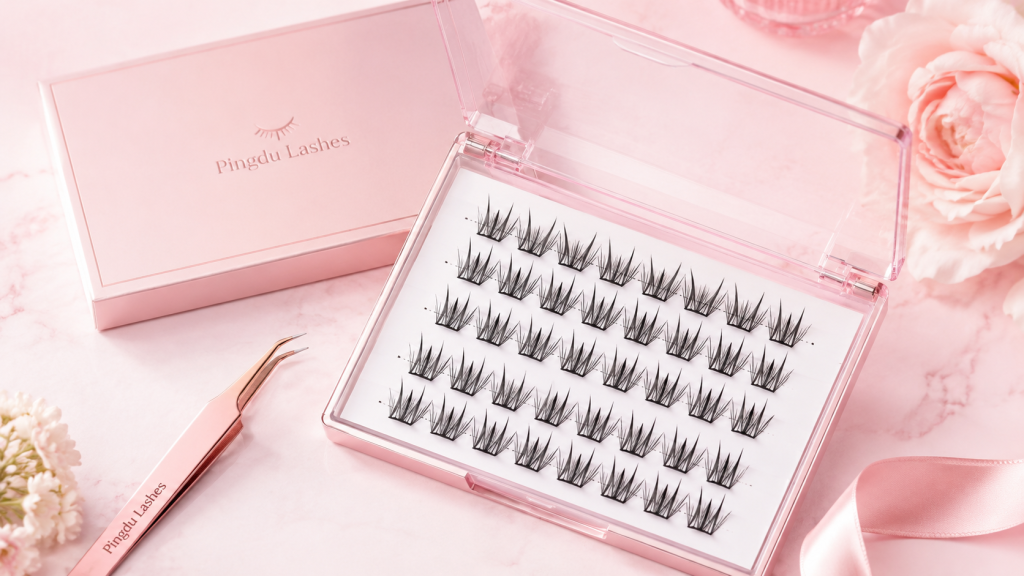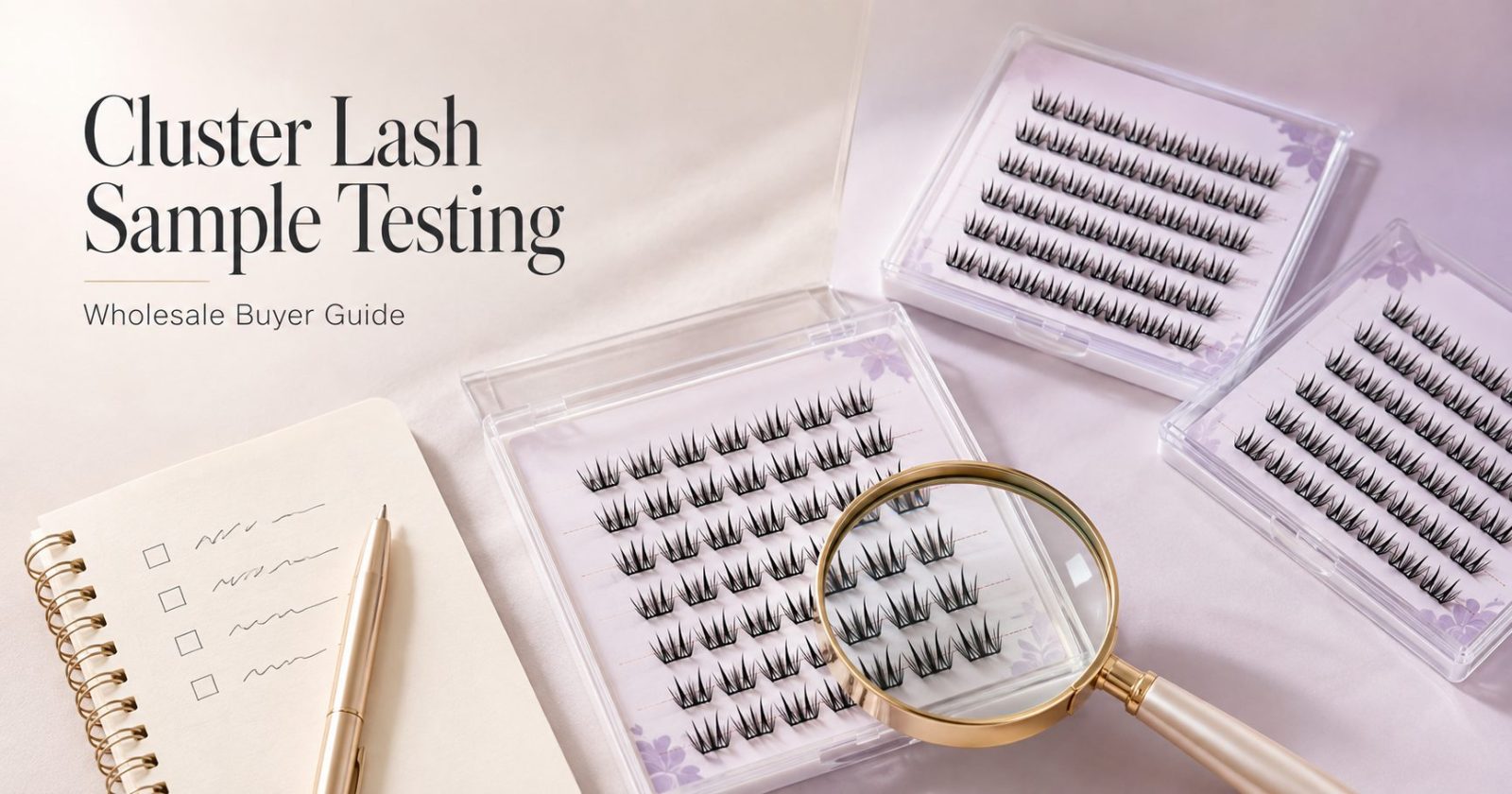
Cluster lash sample testing is an important step between selecting a product direction and placing a wholesale or private label order. Product photos and descriptions can help buyers identify possible options, but samples allow a business to examine the actual lash style, tray organization, packaging direction, and customer experience before moving forward.
For lash brands, beauty businesses, wholesalers, distributors, salons, and online sellers, sample testing should follow a clear process. Without written criteria, buyers may compare products only by first impression and overlook details that could affect product positioning or future customer feedback.
This guide explains how B2B buyers can evaluate cluster lash samples, record results, communicate revisions, and prepare for a more informed bulk order.
Why Test Cluster Lash Samples?
A sample helps the buyer compare an actual product with the intended market position. A style that looks suitable in a photograph may appear different when viewed in its tray or used to create a complete lash map.
Sample testing can help a business answer practical questions:
- Does the style match the target customer?
- Is the lash direction easy to understand?
- Does the tray arrangement support the intended look?
- Can the product be photographed clearly?
- Does the packaging fit the planned brand position?
- What should be confirmed before a larger order?
The purpose is not simply to decide whether the sample looks attractive. Buyers should determine whether it belongs in their product collection and whether customers will understand what it offers.
Define the Target Product First
Before examining samples, the buyer should define the intended product direction. This prevents unrelated styles from being compared as though they serve the same purpose.
Useful starting information includes:
- Target customer group
- Natural, Wispy, Spiky, Anime, Wet Look, Fox Eye, Doll Eye, or another style direction
- Glue-On or Pre-Glued format
- Preferred lash mapping effect
- Expected packaging position
- Estimated wholesale quantity
If the target is an everyday natural product, it should not be judged by the same visual criteria as a dramatic textured style. The evaluation must reflect the purpose of the product.
Buyers can review how to choose false eyelashes for customers before selecting sample directions.
Confirm the Sample Identity
Each sample should be labelled or recorded clearly. Buyers need to know which style, format, arrangement, and packaging option they are evaluating.
Do not rely only on appearance or memory when several samples look similar. Assigning a sample number or internal name makes it easier to communicate feedback and avoid confusing one product with another.
The buyer should also distinguish between:
- An existing available product sample
- A packaging reference
- A customization example
- A development concept that still requires confirmation
A concept image should never be treated as proof that the exact finished product is already available. Final product details should be based on the actual sample and confirmed order information.
Inspect the Lash Style and Structure
Begin by examining the overall style. Look at how the clusters are arranged, whether the texture matches the intended direction, and whether the product can create the expected lash map.
Depending on the selected product, buyers may review:
- The overall visual direction
- The balance between different sections
- The visibility of Wispy or Spiky texture
- The progression used for Fox Eye or Doll Eye effects
- The organization of different rows or lengths
- Whether the tray is easy to understand
Technical specifications should not be assumed from photographs. If length, curl, material, density, or another detail is important to the project, it should be confirmed separately with the supplier.
Compare Samples Consistently
When comparing several products, use the same evaluation method for each one. Different lighting, camera angles, or expectations can make an informal comparison unreliable.
Create a basic scorecard covering:
- Style suitability
- Visual consistency
- Tray presentation
- Mapping flexibility
- Packaging suitability
- Photography potential
- Fit with the existing collection
Written notes are more useful than general comments such as “good” or “not suitable.” For example, a buyer might record that one sample has the preferred outer-eye direction while another has a tray arrangement that is easier to explain to customers.
Test the Customer Experience
A sample should also be evaluated from the final customer’s perspective. The buyer can examine whether the product format is clear, whether the tray is organized logically, and whether the intended style can be communicated through normal product content.
If application testing is performed, the correct compatible products and relevant instructions should be used. The buyer should avoid promising a specific wearing result before the actual product and application conditions have been confirmed.
Feedback from several suitable testers can be more useful than one personal opinion. Testers should represent the intended customer group and record their observations in a consistent format.
Review the Tray and Packaging
Packaging is part of the product experience, especially for private label buyers. During sample review, buyers should examine whether the tray protects and presents the product appropriately and whether customers can understand the different sections.
For branded packaging, consider:
- Logo position
- Product name visibility
- Packaging color
- Space for essential information
- Tray presentation
- Consistency with other products
Special materials, custom cards, new structures, or new molds may affect the project requirements and MOQ. These details should be confirmed before the packaging design is finalized.
The Private Label Lash Packaging guide explains additional points buyers should consider.
Decide Between Mixed Styles and One Style
Sample testing may include several styles, but the final order does not always need to include every option. A business should decide whether it wants to test a broader collection or focus on one style with a clearer market position.
Mixed-style planning can help new buyers compare customer reactions across several directions. A larger single-style order may be more appropriate after one product has already received positive sales feedback.
Buyers can read the guide to mixed styles versus bulk single-style orders before deciding how to organize a wholesale purchase.
Record Revisions Clearly
If the sample needs changes, feedback should be specific and connected to the correct sample reference. Buyers can use photographs, marked images, written notes, or a simple comparison table.
A revision request should identify:
- The sample number or product name
- The element that should remain unchanged
- The element that requires adjustment
- The packaging or branding change requested
- Whether a revised sample is required
Statements such as “make it better” or “make it more natural” can be interpreted in different ways. Clear references reduce confusion and make it easier to determine whether the request can be supported.
Move From Sample to Bulk Order
Before confirming a larger order, the buyer should identify the approved sample and record the final product and packaging requirements. Do not rely only on chat history or an unlabelled reference image.
Custom orders normally start from one carton per style, with 200 boxes per carton. This is not a permanent MOQ for every project. Special packaging, special materials, new cards, new molds, special structures, or complete development may require a higher quantity.
Buyers should confirm the final MOQ, packaging, customization scope, and approved sample before placing the order. The available custom lash services can help businesses prepare a private label project based on confirmed requirements.
Prepare a More Reliable Lash Order
Cluster lash sample testing helps buyers move from visual interest to a structured purchasing decision. The strongest evaluation process begins with a defined customer, uses consistent testing criteria, records each sample clearly, and separates actual products from packaging concepts or development ideas.
Businesses can begin by reviewing the available lash products and then selecting suitable samples for their market.
To discuss samples, wholesale ordering, or private label packaging, contact Pingdu Lashes with your target style, estimated quantity, and project requirements.