
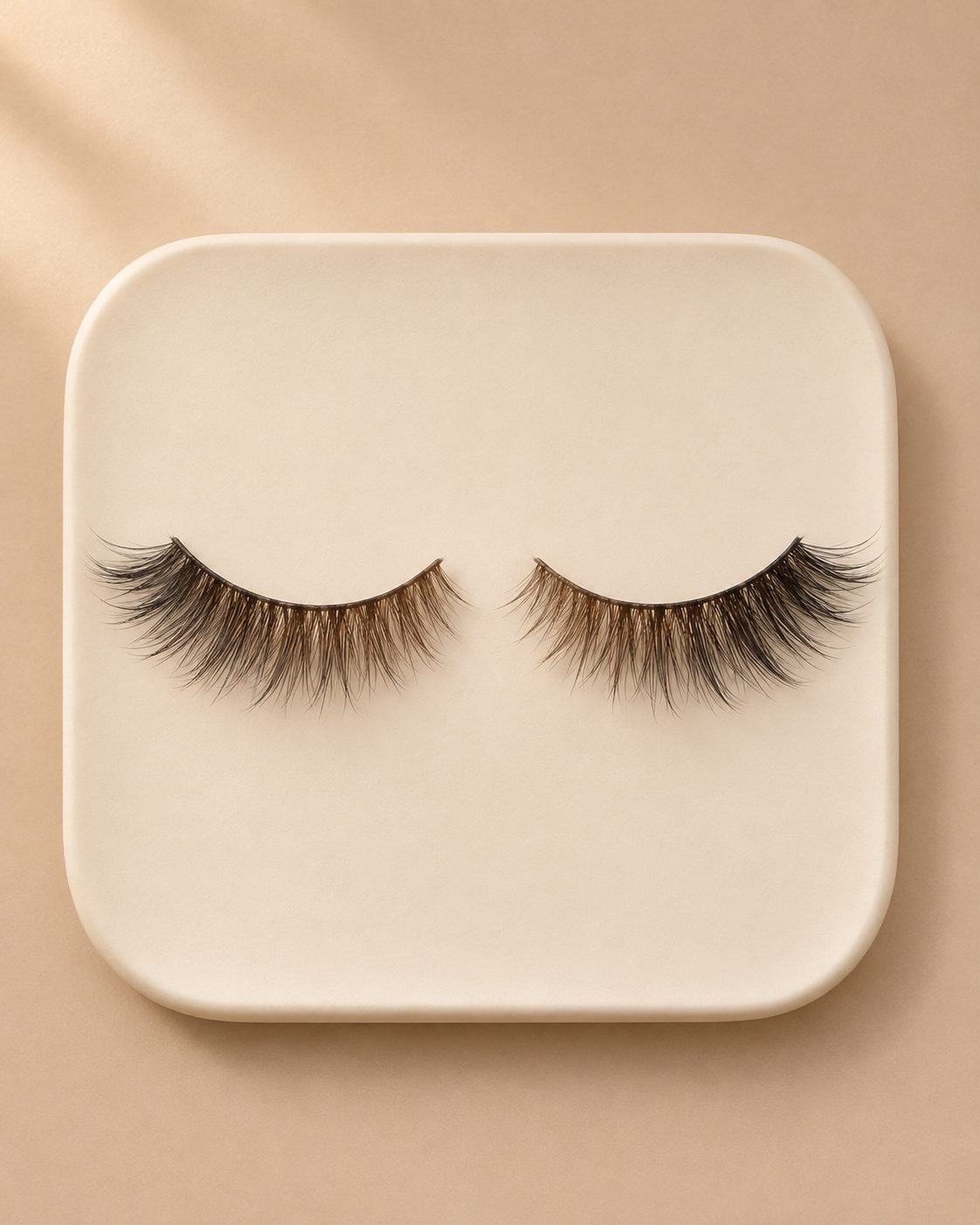
Tonal Gradient Strip Lashes — Espresso-to-Black Design Concept
Quotation based on specification
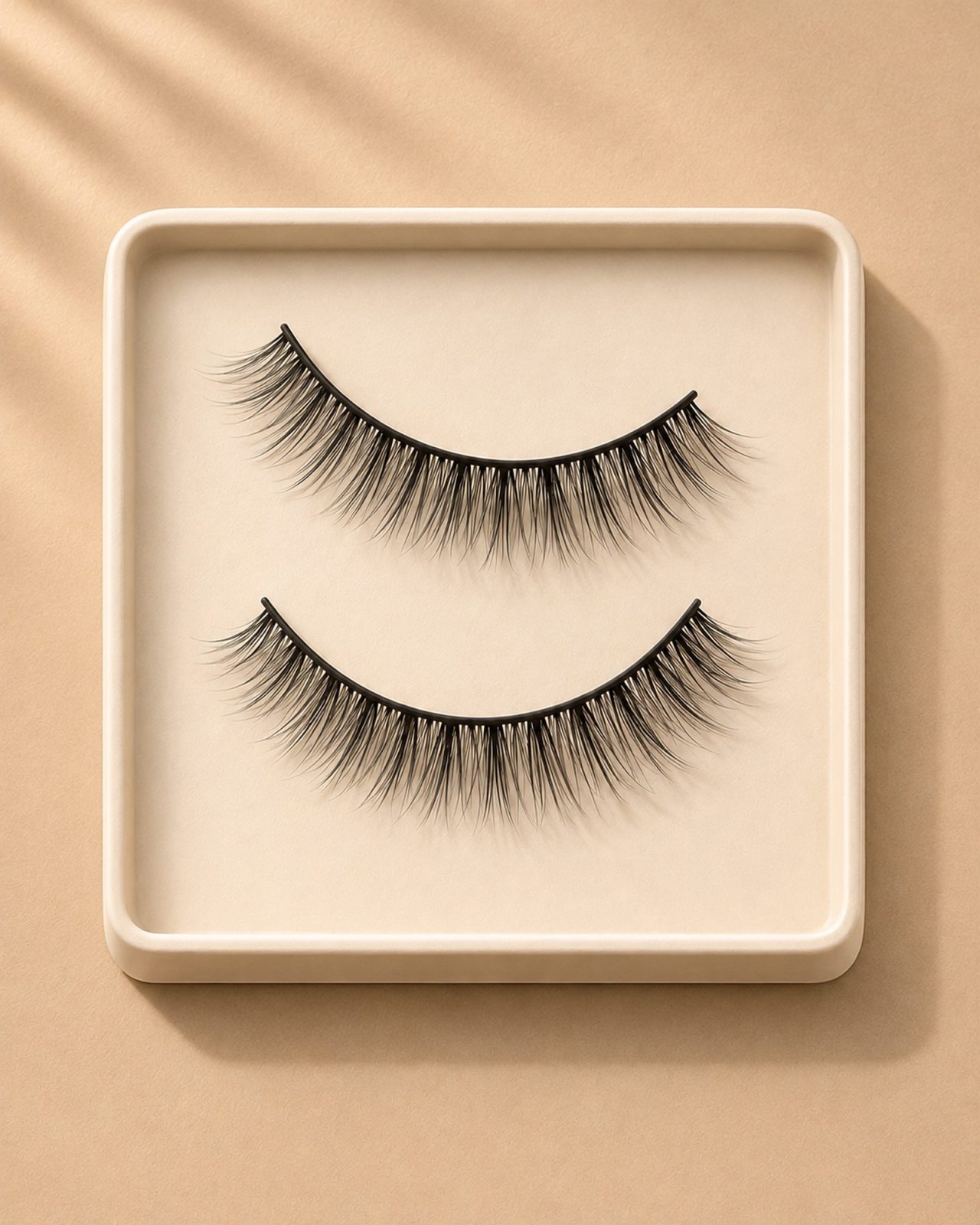
<p><strong>Tonal Gradient Strip Lashes</strong> explore a refined espresso-to-black color direction for premium beauty brands. The proposed concept focuses on intentional tonal placement, visual contrast and a distinctive lash silhouette.</p>
<p>A custom design concept for original lash collection development. Final materials, color arrangement, specifications and sample availability require feasibility review and physical approval.</p>
Wholesale enquiry only
Pricing, MOQ, sample arrangements and lead time are confirmed against the product specification and order quantity.
Tonal Gradient Strip Lashes — Espresso-to-Black Design Concept explore a more sophisticated approach to eyelash color, using the visual relationship between rich espresso brown and deep black as the starting point for a distinctive strip lash design.
Rather than treating color as a simple product option, this concept explores how tonal placement, contrast, density and silhouette can work together to create a coherent visual identity.
Created as a design direction for premium beauty brands, the proposed concept investigates whether a carefully planned transition between brown and black can offer an aesthetic alternative to conventional single-color strip lashes.
The objective is not merely to combine two colors. It is to explore how subtle tonal variation can become part of the overall lash composition.
Development status: This is a proposed custom design concept. The final color transition, fiber arrangement, materials, lash band construction and physical appearance have not yet been validated. All proposed characteristics require feasibility review and sample approval.
The Design Philosophy: Color as Part of Lash Architecture
Color can influence the character of a lash design just as much as length, density and silhouette.
Traditional black strip lashes use a consistently dark visual direction. Brown strip lashes offer a different color expression, often chosen for softer-looking makeup aesthetics.
The Tonal Gradient concept explores a third possibility: treating brown and black as coordinated elements within a single design.
The proposed aesthetic is built around four principles:
- Tonal harmony: Exploring how espresso brown and deep black can coexist within a cohesive lash composition.
- Controlled contrast: Using the relationship between lighter and darker sections intentionally rather than distributing color without a design purpose.
- Visual dimension: Investigating whether tonal variation can contribute to the perceived depth and structure of the lash silhouette.
- Brand distinction: Developing a recognizable color direction that can support a premium beauty brand’s visual identity.
These are creative objectives rather than confirmed physical product characteristics.
The final appearance must be evaluated through real samples before any specific visual result can be claimed.
Why Explore an Espresso-to-Black Color Direction?
Espresso brown offers a rich, dark neutral tone that can serve as a starting point for a more nuanced eyelash color composition.
Deep black provides a contrasting visual reference that may be used to define selected sections of the lash design.
When considered together, these tones open possibilities for exploring different levels of contrast across the lash line.
However, color relationships can appear differently depending on lighting, fiber characteristics, surrounding makeup and the wearer’s natural lashes.
A color combination that looks balanced in a design illustration may produce a different effect in a physical sample.
For this reason, the intended gradient should be evaluated as part of the complete lash design rather than as an isolated color specification.
The Role of Espresso Brown
Espresso brown is proposed as the softer-toned element in the composition.
Its role may be explored in areas where the brand wishes to reduce the dominance of a completely black appearance or establish a warmer visual direction.
The exact brown shade, fiber finish and visual effect require confirmation.
The Role of Deep Black
Deep black can serve as the stronger tonal element.
Depending on the selected design direction, it may be considered for specific areas where greater visual definition is desired.
The amount and position of black should be determined by the intended silhouette rather than by a fixed formula.
The Transition Between the Two Tones
The most important design question is how the colors should relate to one another.
The word “gradient” describes the intended visual transition. It does not establish a particular coloring technology or guarantee a seamless change of color within individual fibers.
Possible construction approaches would need to be reviewed for feasibility, including whether a gradual-looking transition can be created through the arrangement of fibers with different tones.
The final method must be confirmed during development.
Three Creative Directions to Explore
The Espresso-to-Black concept may be considered through several design interpretations.
These directions are proposed for creative discussion and do not represent existing approved product variations.
1. Soft Inner-to-Outer Definition
This direction explores placing the softer espresso tone toward the inner portion of the lash design, with deeper black becoming more prominent toward the outer section.
The intended objective is a gradual visual progression along the lash line.
The resulting appearance would depend on the selected fiber arrangement, length distribution and physical construction.
2. Distributed Tonal Dimension
Instead of concentrating each color in a separate section, this approach explores distributing espresso brown and black across selected visible layers.
The creative objective is to investigate whether tonal variation can support a dimensional appearance without creating an obvious color boundary.
This direction would require careful prototype review to assess whether the effect is visually coherent.
3. Editorial Contrast
A more expressive design may explore clearly defined areas of espresso and black within the same silhouette.
This approach places greater emphasis on intentional contrast and may be considered for fashion-oriented collections or editorial makeup concepts.
The objective would be to create a recognizable visual composition, rather than imitate a conventional single-color lash.
Each direction should be evaluated according to the brand’s intended aesthetic and the results of sample development.
How Does the Concept Differ from Existing Brown and Black Strip Lashes?
Pingdu Lashes already presents brown and soft black strip lash product directions.
The proposed Tonal Gradient concept should be evaluated against those existing styles to determine whether the final design provides a meaningful difference.
| Product Direction | Primary Color Approach | Design Focus |
|---|---|---|
| Brown Strip Lashes | Brown-toned styling | A consistent brown color direction |
| Soft Black Strip Lashes | Soft black styling | A refined dark lash appearance |
| Tonal Gradient Strip Lashes | Proposed espresso-to-black transition | Intentional tonal placement and color relationships within one silhouette |
The key distinction is the proposed relationship between two tones, not simply the presence of brown or black fibers.
For the Tonal Gradient concept to become a genuinely differentiated product, the approved physical sample should demonstrate an intentional and recognizable tonal composition.
Brands exploring related color directions can review our existing Brown Strip Lashes and Soft Black Strip Lashes.
Designing a Tonal Lash Collection for Premium Beauty Brands
For premium beauty brands, color selection can be part of a broader product design strategy.
A coordinated lash collection may explore different silhouettes while maintaining a consistent visual language.
However, creating multiple SKUs does not automatically create a recognizable collection.
Each proposed design should have a clear purpose and should be evaluated against the existing product range.
A brand considering the Tonal Gradient direction may wish to define:
- the intended overall color impression;
- the relationship between espresso brown and black;
- the desired lash silhouette;
- the role of density and visible layering;
- the target makeup aesthetic;
- the difference from the brand’s current products;
- the visual references used for sample evaluation;
- the intended packaging and collection identity.
These decisions help connect the appearance of an individual lash product to the wider creative direction of the brand.
For brands that have not yet defined their original collection concept, our Creative Brief for an Original Lash Collection guide provides a practical starting point.
From Color Concept to Physical Prototype
A tonal design illustration is not sufficient evidence that the same visual effect can be achieved in a physical product.
Before a product specification is finalized, the brand and development partner should identify the questions that a prototype needs to answer.
The initial review may include the following stages.
| Development Stage | Key Question | Required Confirmation |
|---|---|---|
| Creative Brief | What should the espresso-to-black transition communicate? | Agreed aesthetic direction |
| Color Reference Review | Which shades represent the intended espresso and black tones? | Approved color references |
| Structure and Feasibility | Can the proposed color relationship be translated into a physical lash? | Feasibility assessment |
| Prototype Development | Does the sample demonstrate the intended tonal arrangement? | Physical sample for review |
| Visual Evaluation | Does the transition remain coherent under relevant lighting and on-eye conditions? | Documented sample feedback |
| Final Sample Approval | Does the approved sample satisfy the confirmed design requirements? | Approved reference and final specifications |
This table describes a proposed evaluation framework, not a claim that the concept has already completed these stages.
What Should Be Checked in a Tonal Gradient Sample?
- Whether the physical shades match the agreed color references.
- Whether the intended transition is visible and aesthetically coherent.
- Whether the brown and black sections create unwanted contrast boundaries.
- Whether the overall silhouette remains consistent with the creative brief.
- Whether the tonal arrangement appears balanced when viewed as a complete lash pair.
- How the design appears under the lighting conditions selected for evaluation.
- How the sample looks when applied, compared with the intended makeup aesthetic.
- Whether the structure and practical characteristics meet the confirmed requirements.
Photos and design illustrations can support early discussions, but physical samples are necessary to verify the actual appearance and construction.
Our article on lash design prototyping readiness explains how brands can decide whether a concept is sufficiently defined for physical development.
Proposed Product Specifications
The following information distinguishes the current creative concept from technical characteristics that still require confirmation.
| Specification | Current Status |
|---|---|
| Product Concept | Tonal Gradient Strip Lashes |
| Product Format | Full strip false lash design concept |
| Proposed Color Direction | Espresso brown to deep black |
| Color Distribution | To be determined during design development |
| Fiber Material | To be confirmed |
| Fiber Length and Curl | To be confirmed |
| Density and Layering | To be confirmed |
| Lash Band Construction | To be confirmed |
| Physical Prototype Availability | Subject to development confirmation |
| Packaging Options | Subject to project feasibility and requirements |
| MOQ and Lead Time | To be confirmed after project requirements are reviewed |
Custom Lash Design and Private Label Development
For established beauty brands, the goal of an original lash concept should be meaningful product differentiation.
The Tonal Gradient direction provides an opportunity to explore how coordinated color relationships can contribute to a recognizable collection identity.
Pingdu Lashes focuses on design-led discussions for beauty brands interested in custom lash products and private label development.
Brands considering this concept can begin by sharing:
- a creative brief or mood board;
- reference images showing the preferred brown and black tones;
- the desired gradient direction;
- the overall lash shape and visual density;
- the intended consumer and makeup aesthetic;
- the packaging direction, where relevant;
- the questions that should be evaluated through physical sampling.
These materials can support a preliminary discussion about design priorities, feasibility and possible development steps.
Any specific customization capability, prototype arrangement or production commitment must be confirmed according to the actual project.
Frequently Asked Questions
What are espresso-to-black gradient strip lashes?
They are a proposed strip lash design concept exploring a visual transition between espresso brown and deep black. The final color arrangement and physical construction have not yet been confirmed.
Are tonal gradient lashes the same as ordinary brown lashes?
Not necessarily. A standard brown lash generally follows a brown-toned color direction, while the proposed tonal gradient concept explores the visual relationship between brown and black within a single design. A meaningful difference must be confirmed through physical samples.
Does the gradient require individually dyed fibers?
No particular coloring or manufacturing method has been confirmed for this concept. Potential approaches would need to be assessed for suitability and feasibility before any construction method could be specified.
Can a beauty brand request its own color transition?
Brands can submit color references and design requirements for review. Whether the requested transition can be achieved must be determined through feasibility assessment and appropriate sample development.
Are finished samples available for immediate ordering?
Sample availability has not been confirmed. The concept should be treated as a development proposal until real samples and specifications have been approved.
Can this design be developed for a private label collection?
It can be explored as a potential direction for a custom collection. Product feasibility, packaging options, quantities, commercial terms and production arrangements need to be confirmed for each project.
Explore a More Intentional Approach to Lash Color
Color should not be treated as an afterthought in original eyelash design.
When carefully considered, the relationship between different tones can become part of a brand’s creative identity.
The Espresso-to-Black Tonal Gradient concept is intended to explore that possibility through deliberate color placement, coordinated visual structure and sample-based development.
Have a color concept for your next lash collection? Share your visual references and creative brief with Pingdu Lashes to discuss how the idea could be evaluated for custom development.
Product category: Strip Lashes
Ask about the specifications for this product when requesting samples or pricing.
Private Label & OEM Development
Logo, lash cards, boxes, sleeves, labels and colours can be discussed around your product category, target market and order quantity. Share a reference and we can review suitable options.
Related Lash Styles
-

Private Label Pre-Trimmed 3/4 Strip Lashes
Strip Lashes
-
Private Label Doll Eye Strip Lashes
Strip Lashes
-
Private Label Natural Half Strip Lashes
Strip Lashes
-
Private Label Short Strip Lashes for Glasses Wearers
Strip Lashes
-
Lash Development
Styles and specifications shaped around your product brief.
-
Sample Review
Review samples and confirm specifications before bulk production.
-
Private Label Packaging
Coordinate lash cards, boxes, labels and brand presentation.
-
Order Coordination
Keep product, packaging and delivery details aligned.